
Fort Langley National Historic Site: A Journey into BC’s Fur Trade Past
We still remember the first time we stepped through the wooden palisade at Fort Langley National Historic Site. The noise of the modern world faded behind us, replaced by the creak of timber, the smell of woodsmoke, and the sight of costumed interpreters going about their daily tasks. For a moment, it genuinely felt like we had walked into the 1800s. If you’re exploring the Fraser Valley and want to understand where British Columbia really began, this is the place to start. Come with us as we share everything you need to know about this remarkable heritage site.
The History of Fort Langley: Birthplace of British Columbia
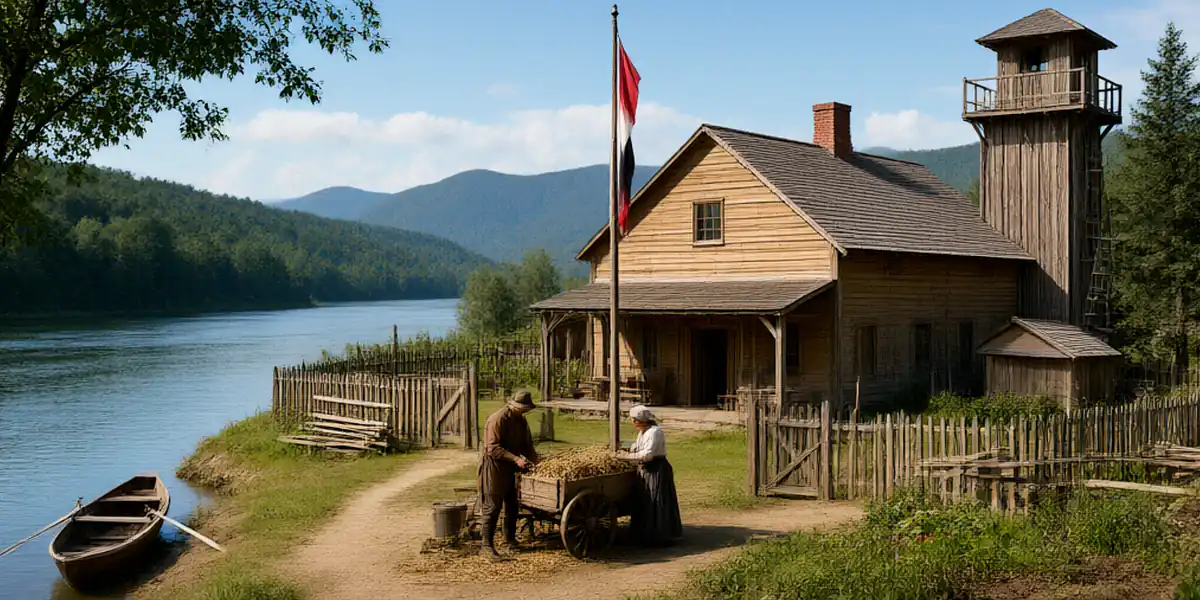
Fort Langley National Historic Site is a Parks Canada operated site, and it protects one of the most important stories in western Canadian history. Long before highways and cities defined the Fraser Valley, this spot on the south bank of the Fraser River was the beating heart of a vast trading network.
From Fur Trade Post to Colonial Capital
The fort was established in 1827 as a Hudson’s Bay Company fur trading post, making it one of the oldest European settlements in what is now British Columbia. For decades, it served as a key link in a chain of trading posts stretching from the coast deep into the interior. Trappers and traders brought furs—especially beaver—to exchange for blankets, metal tools, and other goods.
Its most famous moment came on November 19, 1858, when British Columbia was proclaimed a Crown colony at Fort Langley. That single ceremony earned the site its enduring nickname: the birthplace of British Columbia. Standing in the same courtyard where that proclamation was read gives the history a weight you simply can’t get from a textbook.
The Hudson’s Bay Company and the Fraser River
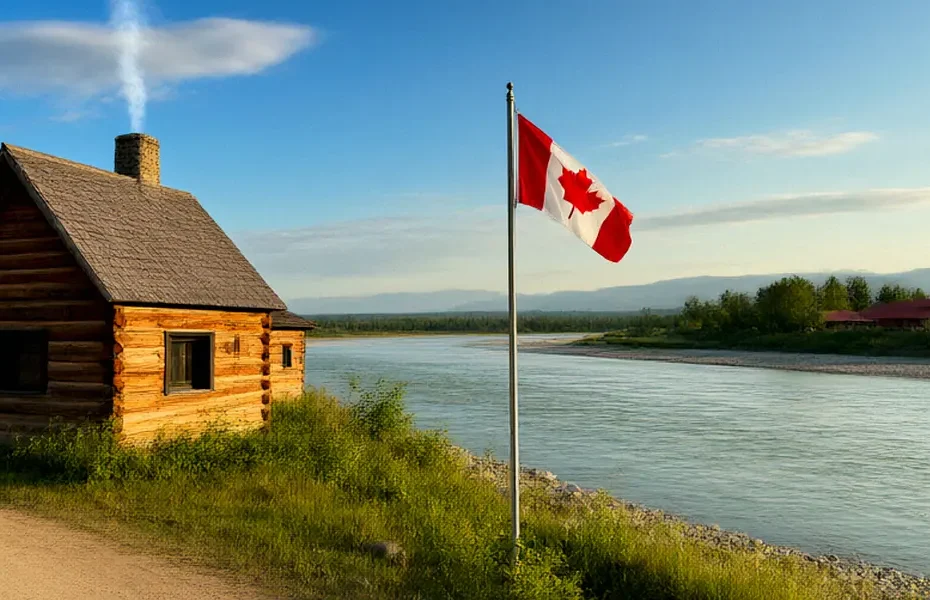
The location was no accident. The Hudson’s Bay Company chose this spot because the Fraser River provided both a transportation route and access to abundant salmon, which the fort exported alongside furs, cranberries, and eventually butter and cheese. The river was the highway of its day, and Fort Langley sat right beside it. When you visit, take a moment to look out toward the water and imagine canoes and bateaux loaded with trade goods arriving at the wharf.
What to See and Do at Fort Langley National Historic Site
There’s far more here than a plaque and a patch of grass. The site is a living, working fort with plenty to explore, and we found ourselves lingering far longer than we expected.
Explore the Reconstructed Buildings
Wander through the reconstructed palisade and climb the bastions for a view over the grounds. Inside, you’ll find:
- The Big House, the residence and office of the fort’s chief trader, furnished to reflect 19th-century life
- The cooperage, where barrels were built by hand—essential for shipping salted salmon and other goods
- The blacksmith shop, where the ring of hammer on iron once echoed across the courtyard
- The servant’s quarters and storage buildings that show how the fort functioned day to day
Hands-On Activities and Demonstrations
What sets Fort Langley apart is how interactive it is. On our visit, we watched a cooper assemble a barrel stave by stave, tried our hand at gold-panning (a nod to the 1858 gold rush that triggered the colony’s creation), and chatted with interpreters in period dress who clearly love what they do. Demonstrations run throughout the day and vary by season, so check the schedule when you arrive.
Planning Your Visit: Hours, Tickets, and Location
Fort Langley National Historic Site is open year-round, though hours vary by season—summer offers the longest days, while winter visits are shorter but wonderfully quiet. It’s worth checking the Parks Canada website before you go, since hours can change with events and maintenance.
Admission and Passes
Admission is affordable for a full day of history. If you’re planning to visit other national sites in the region, the Parks Canada Discovery Pass pays for itself quickly. Youth and family rates are available, and children under a certain age enter free. We’d recommend budgeting at least two to three hours on site—more if you have kids who get absorbed in the activities.
Getting There and Parking
The fort is located at 23433 Mavis Avenue in Fort Langley, within the Township of Langley. It’s an easy drive from both Vancouver and Abbotsford, roughly an hour from downtown Vancouver and about 25 minutes from Abbotsford. Parking is available near the site, though it fills up on event weekends, so arriving earlier in the day is smart.
Family-Friendly Fun and Special Events
We’ve visited both with and without kids, and honestly, the fort might be at its best when children are along for the ride. There’s something about a wooden fort that sparks the imagination instantly.
Activities for Kids
The site offers the Xplorers program for children, a Parks Canada initiative that turns the visit into a scavenger-hunt-style adventure. Kids complete challenges, learn about fort life, and earn a souvenir. Add in gold-panning, barrel-making, and the chance to try on period clothing, and you’ve got a full day of entertainment that doesn’t involve a screen.
Annual Events and Festivals
Fort Langley hosts annual events like Brigade Days, a lively reenactment that recreates the arrival of the fur brigades with canoes, costumes, and cannon fire. The Cranberry Festival, held in the surrounding village, celebrates the region’s agricultural heritage and pairs perfectly with a fort visit. Other seasonal highlights include holiday-themed programming in December and heritage demonstrations throughout the summer.
Nearby Attractions in the Fraser Valley
One of the joys of visiting Fort Langley is that it sits in the middle of a region packed with things to do. We usually turn a fort visit into a full day out.
Fort Langley Village
Just steps from the fort, Fort Langley Village is a charming strip of independent shops, cafés, and antique stores. Grab a coffee, browse a bookstore, or pick up locally made treats before or after your visit. It’s the kind of place where you accidentally spend two hours without noticing.
Day Trips to Abbotsford and Beyond
If you have more time, the Langley Centennial Museum is a short drive away and adds context to the region’s history. From there, you can head east to Abbotsford for its farms, wineries, and the Abbotsford Tulip Festival in spring, or continue to Chilliwack for outdoor adventures in the Fraser Valley’s rugged backcountry. Harrison Lake, with its hot springs and lakeside village, makes a fantastic extension if you’re exploring over a weekend.
FAQ
Is Fort Langley National Historic Site worth visiting?
Absolutely. It’s the birthplace of British Columbia, a Parks Canada operated site, and one of the most engaging heritage attractions in the Fraser Valley. History buffs, families, and casual travellers all find something to love.
How long does it take to tour Fort Langley?
Most visitors spend two to three hours exploring the buildings, watching demonstrations, and completing the Xplorers program. Add extra time if you plan to stroll through Fort Langley Village afterward.
Is Fort Langley good for kids?
Yes. The Xplorers program, gold-panning, barrel-making, and hands-on demonstrations are designed to keep children engaged. Brigade Days and the Cranberry Festival are especially popular with families.
When was British Columbia proclaimed a Crown colony at Fort Langley?
British Columbia was proclaimed a Crown colony at Fort Langley in 1858, a moment that gives the site its nickname as the birthplace of the province.
How do I get to Fort Langley from Vancouver or Abbotsford?
The fort is at 23433 Mavis Avenue in the Township of Langley. It’s about an hour’s drive from downtown Vancouver and roughly 25 minutes from Abbotsford, with parking available near the site.
Fort Langley National Historic Site is one of those rare places that satisfies everyone in the group—history lovers, curious kids, and anyone who simply enjoys a beautiful corner of the Fraser Valley. Whether you’re coming from Vancouver, Abbotsford, Chilliwack, or Hope BC, a visit here connects you directly to the fur trade, the Fraser River, and the very origins of British Columbia. We think you’ll leave, as we did, with a deeper appreciation for this remarkable province and its stories.