
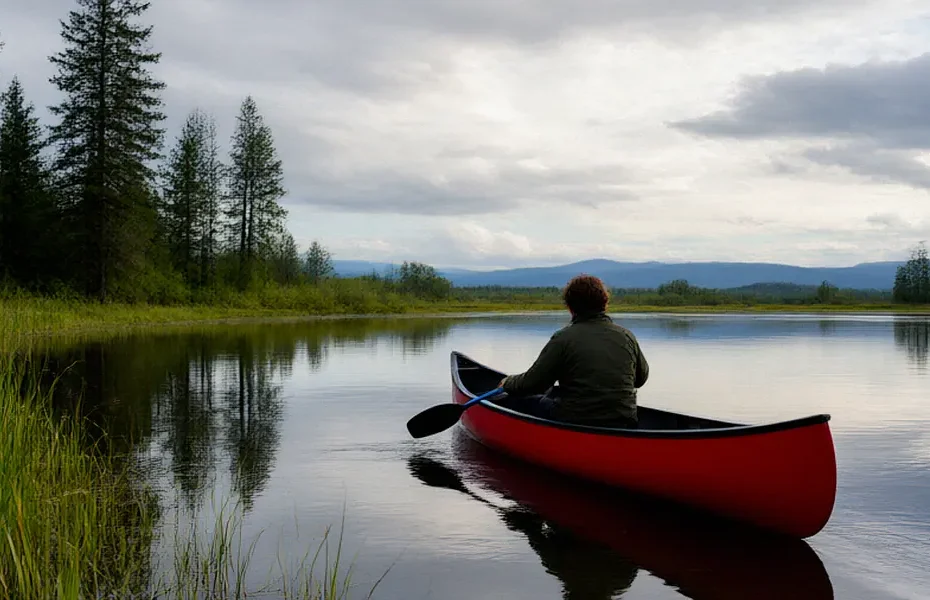
Paddling Pitt Lake and Pitt Meadows: Our Canoe Guide to the Fraser Valley’s Hidden Waterway
Our canoe slid onto Pitt Lake’s glassy surface just after dawn, and for a few seconds nobody spoke. The only sounds were the drip of water off our paddles and a great blue heron lifting off a snag somewhere near the shore. We had launched from Grant Narrows less than ten minutes earlier, and already the highway, the parking lot, and the suburbs of Pitt Meadows felt like a different world. That morning changed how we think about paddling in the Fraser Valley — this isn’t just a quick city-adjacent paddle, it’s a tidal wilderness on Vancouver’s doorstep.
Why Pitt Lake and Pitt Meadows Deserve a Spot on Your Fraser Valley Itinerary
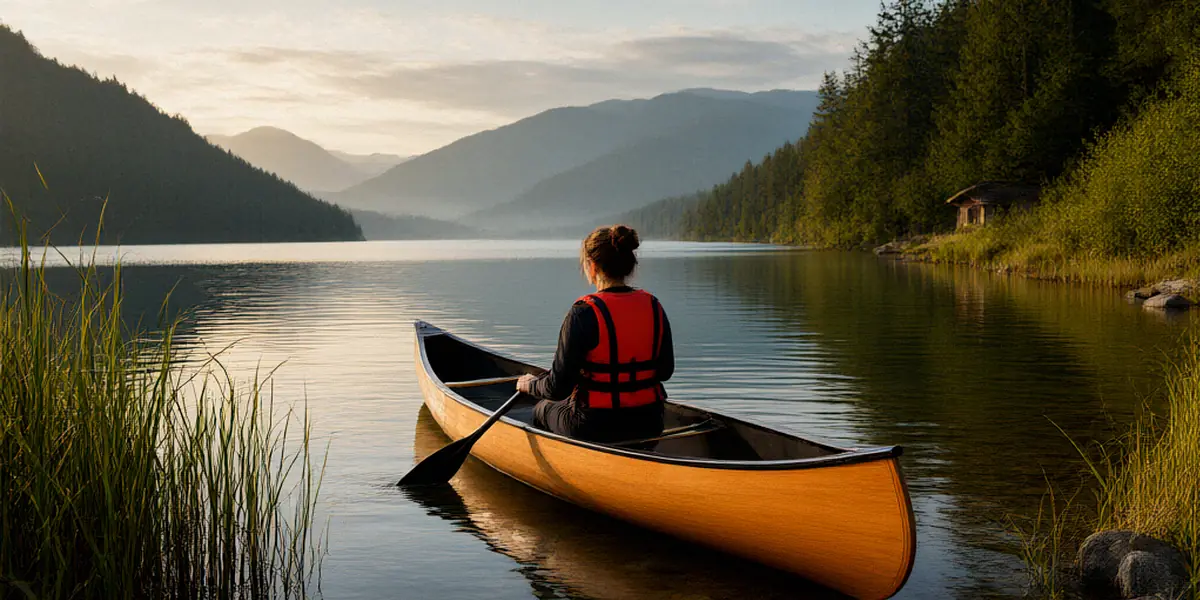
Pitt Lake is one of the largest tidal lakes in the world, a fact that surprises almost everyone we tell. Because it rises and falls with the tides through the Pitt River, the lake behaves less like a typical BC lake and more like a fjord with a heartbeat. It sits roughly 45 minutes from Vancouver via Highway 7, which makes it one of the most accessible wild paddling destinations in the region. Pitt Meadows is the gateway community you drive through to reach it, and the lake drains into the Pitt River, which in turn feeds the Fraser River.
How Pitt Lake Fits Into the Fraser Valley Landscape
Tucked against the Golden Ears foothills, Pitt Lake stretches north into the Widgeon Valley, a long finger of water pressed between steep forested slopes. Unlike Harrison Lake, which draws big crowds in summer, Pitt Lake stays relatively quiet because there’s no town on its shore — just marsh, forest, and a handful of paddle-in campsites. That’s exactly what makes it special. It’s also why we think it belongs on any Fraser Valley itinerary alongside Chilliwack, Abbotsford, and Hope BC.
When to Go: Seasons, Tides, and Weather
Late spring through early fall is our favourite window. Mornings are almost always calmer, with afternoon winds picking up around 1 p.m. and turning the main lake choppy. Tides matter here: at low tide, exposed mudflats make some channels impassable, while high tide opens up routes into the marsh. Check the tidal chart for Port Coquitlam or Pitt Meadows before you go, and aim to launch within an hour or two of high slack for the easiest paddling.
Getting There and Launching Your Canoe in Pitt Meadows
From Vancouver, take Highway 7 east through Coquitlam, Port Coquitlam, and into Pitt Meadows. Follow signs for Grant Narrows Regional Park at the north end of Neaves Road. The drive is about 45 minutes without traffic. Metro Vancouver charges a parking fee at the lot, and it fills up fast on summer weekends — arrive before 9 a.m. if you want a spot close to the launch.
Grant Narrows Launch: What to Expect
Grant Narrows Regional Park is the main canoe launch in Pitt Meadows, and it’s well set up for paddlers. There’s a concrete boat launch, a floating dock, pit toilets, picnic tables, and a small seasonal concession. Right beside the launch, the Pitt-Addington Marsh Wildlife Management Area begins — one of the most important wildlife habitats in the Lower Mainland. Expect to share the water with kayaks, paddleboards, and the occasional motorboat heading up the lake.
Renting vs. Bringing Your Own Canoe
If you don’t own a canoe, you have options. Local outfitters in Maple Ridge and Pitt Meadows rent canoes and kayaks by the half-day or full day, and some will deliver to Grant Narrows. Bringing your own gives you more flexibility for early starts and multi-day trips. Either way, bring a cart or trolley if you’re paddling solo — the carry from the parking lot to the water is short but awkward with a heavy boat.
On the Water: Paddling Routes and What You’ll See
There are two distinct paddles here, and we usually try to do both on a full day. The first heads north up the main lake toward the Widgeon Valley. The second stays low and slow inside the marsh channels of Pitt-Addington. Each feels completely different, and both are worth the trip.
The Main Lake Route to Widgeon Creek
Paddling north from Grant Narrows, you’ll follow the western shore for roughly 8 to 10 kilometres to reach the mouth of Widgeon Creek. This is the classic route. Bald eagles perch in the cottonwoods along the way, and it’s not unusual to spot a black bear turning rocks on the shoreline in early summer. Widgeon Creek leads to Widgeon Falls, a popular paddle-in destination with a short hiking trail from the campsite up to the falls. Allow three to four hours round trip if you’re stopping to explore.
Exploring Pitt-Addington Marsh by Canoe
The marsh is a maze of narrow channels, reed beds, and quiet backwaters. We’ve spent entire mornings here without seeing another boat. Great blue herons stalk the shallows, red-winged blackbirds call from the cattails, and in spring the marsh is alive with migrating waterfowl. Because the channels are shallow, this is a great spot for newer paddlers and for photography — the light filters through the reeds in a way that feels almost tropical.
Tidal Timing: Why It Matters for Your Route
Pitt Lake is tidal, and that changes everything about how you plan a day here. Some marsh channels dry out completely at low tide. The main lake is always navigable, but wind against tide can kick up short, steep chop that’s uncomfortable in an open canoe. Our rule of thumb:
- Launch within two hours of high tide for the marsh.
- Paddle the main lake in the morning before the afternoon wind.
- Plan to be back at Grant Narrows by mid-afternoon.
- Always check the tide chart the night before, not the morning of.
Our Favourite Stops and Side Trips Around Pitt Meadows
Pitt Lake is the anchor, but Pitt Meadows and neighbouring Maple Ridge have enough going on to fill a full weekend. We usually build in a half-day on land either before or after the paddle.
Widgeon Creek Campground and Falls
If you want to extend the trip, Widgeon Creek Campground is a paddle-in, first-come, first-served backcountry site at the north end of the lake. From the campground, a 45-minute trail leads to Widgeon Falls, a wide cascade that’s especially impressive in June when snowmelt is still running. Bring bug spray — the mosquitoes here are serious in early summer.
Post-Paddle Eats and Local Shops
Back in Pitt Meadows, the Pitt Meadows Farmers Market runs on weekends through the summer and is a great stop for local produce, baked goods, and coffee. The Pitt River Regional Greenway is an easy walk or bike ride if you want to stretch your legs after sitting in a canoe all day. Downtown Pitt Meadows has a handful of casual cafés and pubs, and Maple Ridge — ten minutes east — offers a bigger selection of restaurants if you want a proper meal.
Practical Tips for a Smooth Pitt Lake Canoe Trip
Pitt Lake rewards preparation. The weather can shift fast, the wind funnels down the valley, and cell service is unreliable once you’re north of the marsh. Treat it like the wild waterway it is, even though you can see Vancouver’s skyline on the drive in.
Safety Gear and Weather Checks
Wear your PFD — always, no exceptions. Bring more water and snacks than you think you need. Pack a dry bag, a small repair kit, a whistle, and a spare paddle. Check the marine forecast and the wind forecast the morning of your trip. If the lake is already whitecapping at the launch, save the main lake for another day and stick to the marsh.
Leave No Trace in the Marsh
Pitt-Addington Marsh is protected wildlife habitat. Stay in the main channels where you can, give herons and eagles plenty of space, and pack out everything you bring in. There are no garbage bins on the water, and no facilities past Grant Narrows. If you’re camping at Widgeon Creek, use the designated sites and follow backcountry food storage rules — this is bear country.
Why We Keep Coming Back to Pitt Lake
What draws us back is the contrast. Fifteen minutes from a busy highway, you’re drifting past a heron in total silence, watching the tide turn against the reeds. It’s the same reason we love paddling Harrison Lake and hiking around Chilliwack — the Fraser Valley keeps offering these wild pockets right next to the everyday. Pitt Lake pairs perfectly with a longer road trip: paddle here on day one, then head east to Harrison Lake or south to Abbotsford and Chilliwack for the rest of the week.
Pitt Lake offers a rare mix of wildness and accessibility. You don’t need a permit, a float plane, or a multi-day expedition — just a canoe, a tide chart, and an early alarm. Our team believes it’s one of the most underrated paddling destinations in the Fraser Valley, and once you’ve watched the sun come up over the marsh, we think you’ll agree.
FAQ
Do I need a permit to paddle Pitt Lake?
No permit is required for day paddling on Pitt Lake. If you plan to camp at Widgeon Creek Campground, it’s first-come, first-served with no reservation system, so arrive early on summer weekends.
Can beginners paddle Pitt Lake?
Yes, with care. The marsh channels around Grant Narrows are calm and shallow, making them ideal for newer paddlers. The main lake is a different story — it’s big, tidal, and can get windy, so stick close to shore and go in the morning.
Is there a fee to park at Grant Narrows Regional Park?
Yes, Metro Vancouver charges a parking fee at Grant Narrows. Bring a card or coins, and arrive early on weekends since the lot fills quickly in summer.
How long does it take to paddle to Widgeon Falls?
From Grant Narrows, plan on about two hours of paddling to reach Widgeon Creek, plus a 45-minute hike to the falls. Allow four to five hours round trip including stops.
Are there motorboats on Pitt Lake?
Yes, especially on weekends. Stay to the right in channels, keep an eye out for wakes, and hug the shoreline when larger boats pass.